Table Of Content
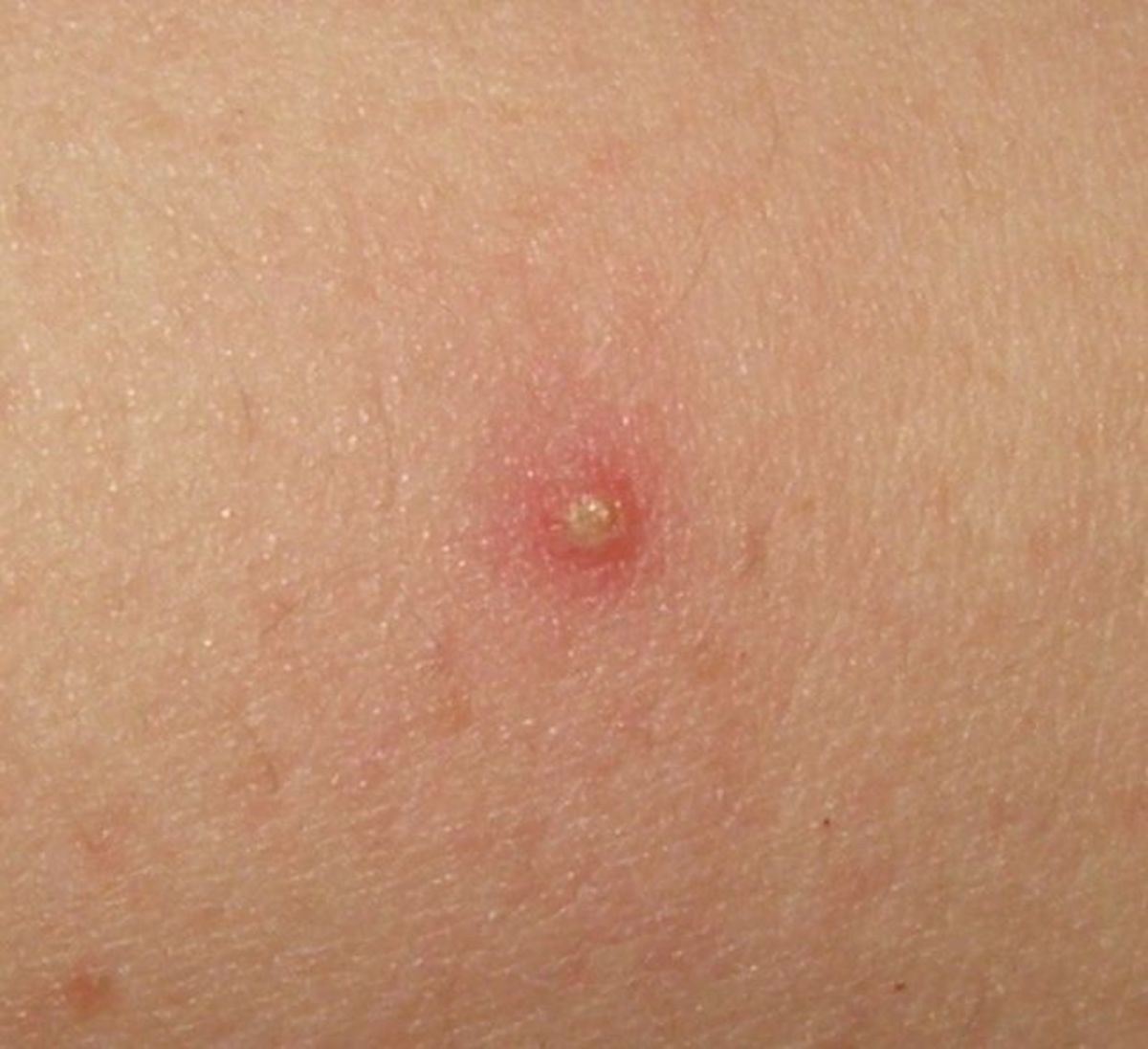
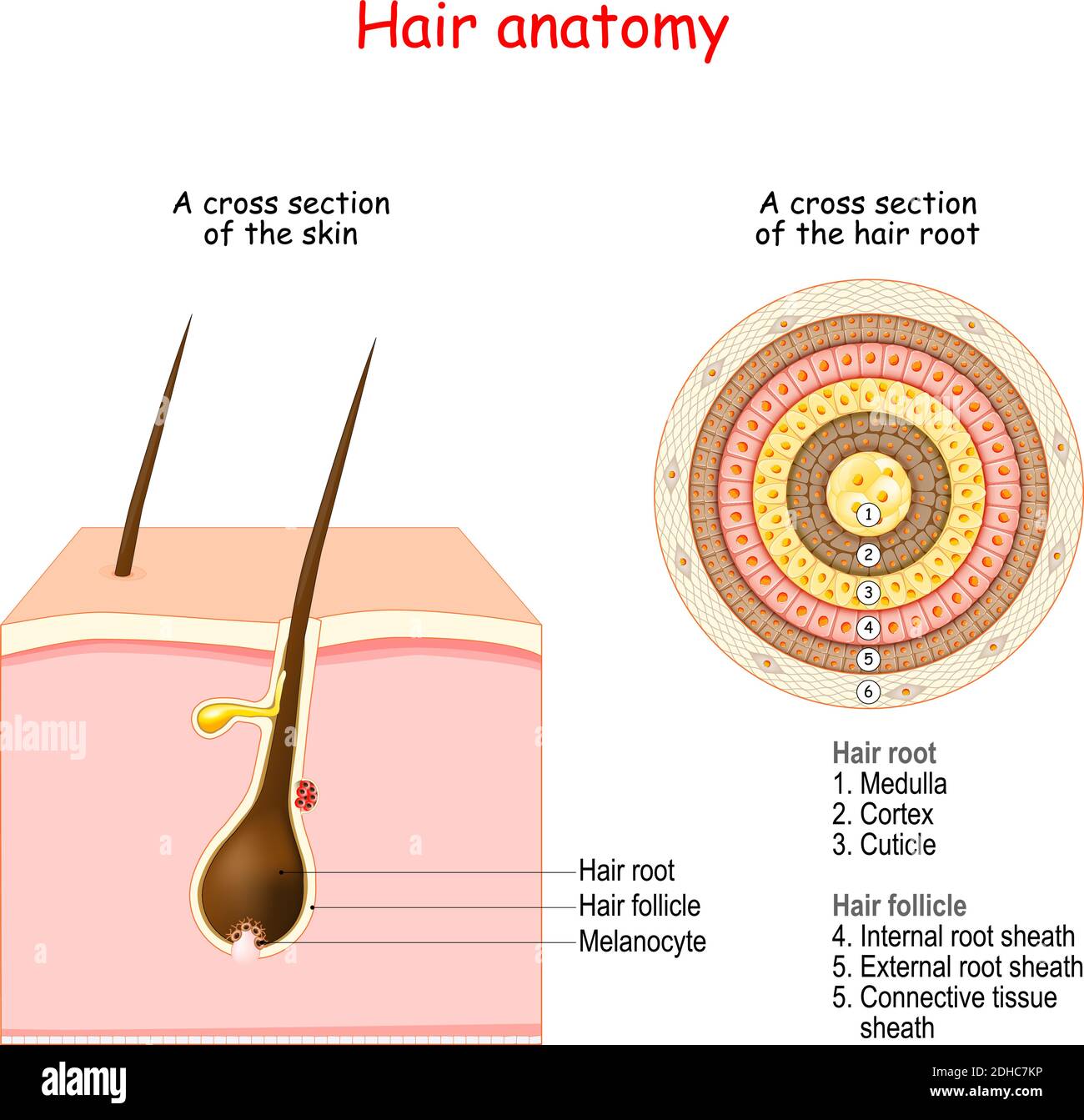
The follicle is lined by an inner and outer sheath that protects and molds the growing hair. The inner sheath follows the hair and ends just before the opening of the oil gland, or sebaceous gland. In fact, as we get older, the number of hair follicles per square inch decreases as our bodies stretch and grow. It protects your skin and traps particles like dust around your eyes and ears. If your hair gets damaged, it can renew itself without scarring. In some more severe cases, your provider may refer you to a dermatologist for additional tests to make sure your folliculitis isn’t another medical condition.
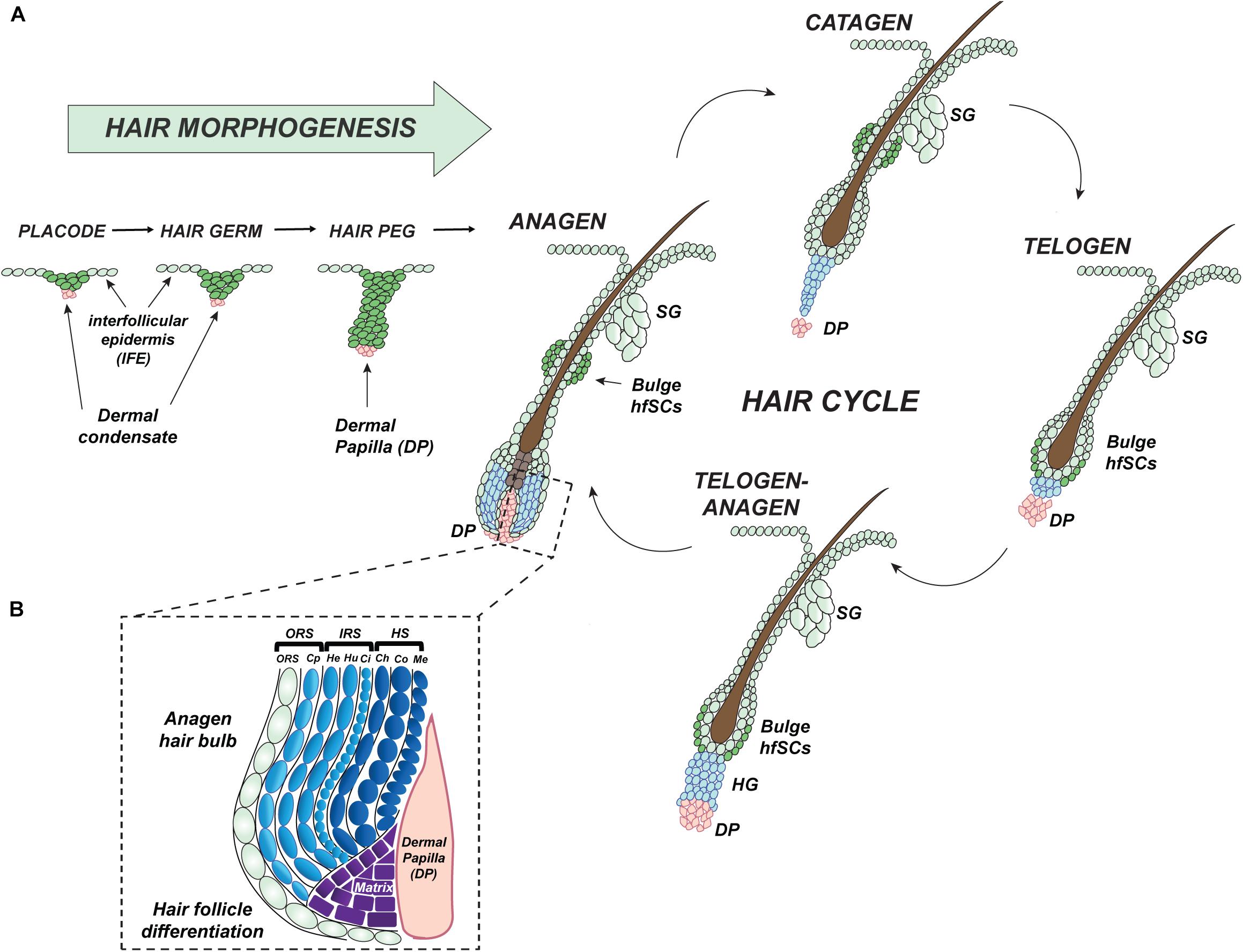
Papilla[change change source]
While folliculitis can affect anyone, certain factors can increase the risk of developing this condition. Around the papilla is the hair matrix, a collection of epithelial cells often mixed with the pigment-producing (color) cells, known as melanocytes. Cell division in the hair matrix is responsible for the cells that will form the major structures of the hair fiber and the inner root sheath. The hair matrix epithelium is one of the fastest-growing cell areas in the human body, which is why some forms of chemotherapy which kill dividing cells or radiotherapy may lead to temporary hair loss. The papilla is usually oval or pear-shaped, with the matrix wrapped almost totally around it, except for a short stalk-like connection to the surrounding connective tissue that provides access for the capillary. The transition from traditional culture to 3D culture constitutes excellent progress in HF regeneration.
More from Conditions
Beard hairs will arise once puberty is reached, with androgen hormones transforming the vellus hairs in this area into terminal hairs. The structural, or pilosebaceous, unit of a hair follicle consists of the hair follicle itself with an attached sebaceous gland and arrector pili muscle. In most cases, the main symptom of folliculitis is red bumps that look like pimples on your skin. These could also look like they’re white-filled bumps or they could be filled with pus (pustules). Many people feel the need to scratch when they have folliculitis.
Hair Follicles' Hidden Role in Touch Sensation - Neuroscience News
Hair Follicles' Hidden Role in Touch Sensation.
Posted: Fri, 27 Oct 2023 07:00:00 GMT [source]
Melatonin affects hair regeneration
New hair cells are constantly being made in the hair bulb, close to the papilla. Each hair follicle is attached to a tiny muscle (arrector pili) that can make the hair stand up. These nerves sense hair movement and are sensitive to even the slightest draft. Also attached to the follicle is a sebaceous gland, which produces the oily or waxy substance sebum.
When should I call my doctor about folliculitis?
Hair loss refers to the significant reduction in the number of hair strands, leading to visible bald patches or overall decreased hair density. Dozens of over-the-counter supplements and products purport to reverse hair loss, making it tough for patients to know which ones work and which don’t. “As soon as you notice hair loss is happening, you should come in,” says Lauren Eckert Ploch, a dermatologist in Aiken, South Carolina.
From straight to curly, thick to thin: here's how hormones and chemotherapy can change your hair - The Conversation France
From straight to curly, thick to thin: here's how hormones and chemotherapy can change your hair.
Posted: Thu, 11 Jan 2024 08:00:00 GMT [source]
But because new hairs are always growing and replacing them, this natural hair loss isn't noticeable. When damaged, the follicles can stop producing hair, and your hair growth cycle can slow down. If you have any concerns about your hair growth, talk to a dermatologist. If you have conditions like alopecia or balding, you might wonder if it’s possible to stimulate a hair follicle to regrow hair.
In brief: What is the structure of hair and how does it grow?
Over the course of a few weeks, the hair growth rate slows down and the hair follicle shrinks. Folliculitis is a very common condition that many people experience throughout their lifetime. If you notice small red bumps on your arms, legs, face or back and start to experience uncomfortable symptoms (pain, fluid drainage, fever), reach out to your healthcare provider.
Professional development
Thus, HF regeneration is in ever-increasing demand and has promising market prospects. EMI is a prerequisite for functional HF formation, regeneration and cycling, mainly through paracrine mechanisms,2 and has become the theoretical basis of tissue engineering for HF regeneration. Thus, the achievement of hair cycling regeneration is important for functional HF regeneration. Although hair transplantation has been widely applied, transplanted hair is not maintained in the long term. Moreover, clinical drugs still fail to meet the patents’ needs and even have drastic side effects.5 Therefore, there is a need to explore alternative therapeutic solutions capable of generating functional HFs.
Left untreated, severe infections can cause permanent hair loss and scarring. The color of the hair is determined by the amount of melanin in the hardened cells. This can vary a lot from person to person, and it changes over the course of a lifetime. The amount of melanin typically decreases as people get older, and more air gets trapped inside the hair – it then loses its color and turns white.
When a club hair is completely formed, about a 2-week process, the hair follicle enters the telogen phase. Androgenetic alopecia is a widespread problem, and hair follicle growth studies are key to treating alopecia (39, 40). Melatonin may be a potential treatment for androgenetic alopecia (12).
Therefore, it is still difficult to discover the key molecular event in hair cycling. The hair shaft comprises a cortex, surrounding cuticle cells, and sometimes a central medulla found in thicker hair. The bulk of this hair fiber belongs to the cortical layer, which plays a vital role in determining the physical and mechanical properties of the hair, such as strength, texture, and color. The shaft is composed predominantly of macrofibrils, which are rods of microfibrils meshed together in a matrix.


No comments:
Post a Comment