Table Of Content

On display is a concentration camp uniform, while nearby four video screens tell the final, terrible chapter of Anne Frank’s story. Anne and those hiding with her were betrayed by an informant, who remains unknown to this day. On August 4, 1944, the Secret Annex was raided and the group was arrested.
Information about the museum
The house was left in a bad state in the years following the end of World War II, but it was thankfully saved from demolition and a museum was established in the late 1950s. Otto devoted himself to editing and getting the diary published; it was first published in Dutch in 1947. The Anne Frank Foundation was founded, with Otto’s cooperation, in 1957, with the aim of preserving the canal house as a museum. The number of visitors was initially overwhelming, and the museum was renovated and expanded in 1999. The museum, which opened in 1960, also includes two adjacent buildings.
What is in Anne Frank House museum
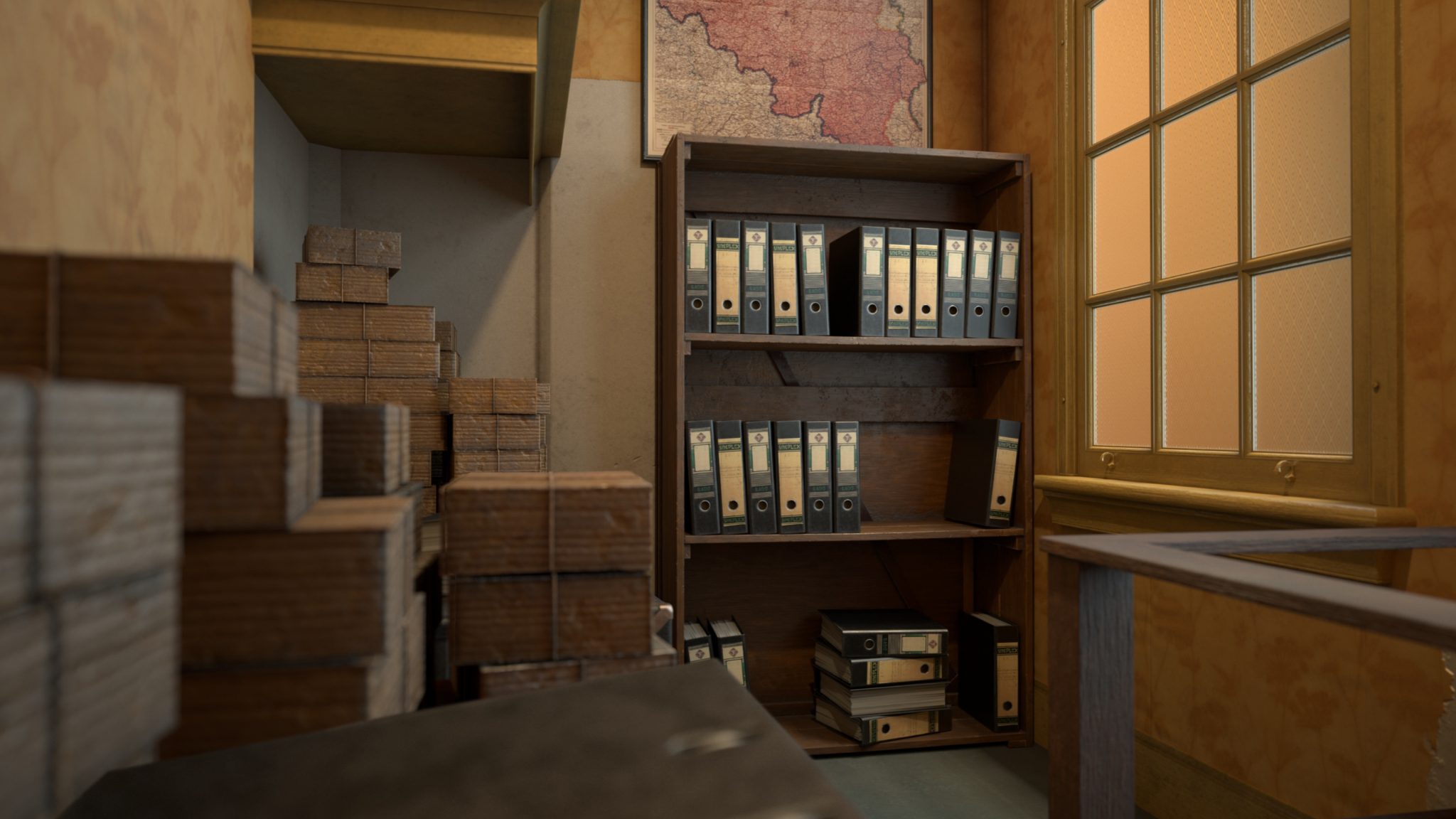
Although known as Anne Frank’s House, the site was originally her father’s office building and all eight inhabitants lived in a secret annex in the attic hidden by a moveable bookcase. Stepping into the Anne Frank House, you're transported back in time and can sense the claustrophobic reality of the hiders in the annex. You'll see how the rooms have been meticulously preserved in their original state and get a glimpse of the daily life of the Frank family and the others who took refuge here. Nowadays, the rooms at the Anne Frank House, though empty, still breathe the atmosphere of that period of time. Quotations from the diary, historical documents, photographs, film images, and original objects that belonged to those in hiding and the helpers illustrate the events that took place here.
Museum Van Loon
The house is an old canal-side property and as such has steep stairs and there’s no elevator to access the upper levels. The museum is small and only a limited amount of people is allowed in at one time. This means you should buy your tickets as soon as they are available on the official website.
Taking Anne Frank House photos is not allowed – hence the significant lack of photos of the interiors of the museum in this post. I have inserted the only few photos of the outside area that can be taken and a few generic photos of the surroundings of the house. The inhabitants of the Secret Annex lived together during a very uncertain time. Life here was cramped and not easy, the windows were blacked-out and they had to spend their days in silence, afraid of being overheard by the staff working in the offices and warehouse below. Anne Frank lived in hiding with her family in Amsterdam for two years. During this time, the family spent their daily lives tucked away in a small annex above a factory in the middle of the city.
As a visitor, you experience this story through quotes, photos, videos, and original items.
Man gets 2 months in prison for projecting antisemitic conspiracy theory onto Anne Frank House Museum - New York Post
Man gets 2 months in prison for projecting antisemitic conspiracy theory onto Anne Frank House Museum.
Posted: Thu, 19 Oct 2023 07:00:00 GMT [source]
Important Maritime Museums to Visit Around the World
This is where the factory, offices, kitchen and warehouses of the business were located. In the daytime, these were busy with workers but by night the family were able to use some of these spaces. The museum is a subdued place where each of the rooms feel personal and authentic. You are able to get closer to the life of the diarist through a selection of photographs, quotes, videos and other very personal elements such as pencil lines on the wall measuring the family’s height. The group spent around two years living in the annex and Anne spent her time writing about her life, her mundane days, her hopes and dreams and everyday thoughts in her diary. Anne’s Father Otto began new companies which dealt with the sale of canned goods in offices and warehouses alongside the Prinsengracht canal.

From 1933 to 1942, before Anne Frank and her family had to go into hiding, she lived with her parents and sister at Merwedeplein square in Amsterdam. They lived a happy life, until the Netherlands was occupied by Nazi Germany. After going into hiding in 1942, they would never return to this address.After the Frank family had left, several other families lived at Merwedeplein 37-2. In 2004, housing cooperation Ymere, in collaboration with the Anne Frank House, restored the house to its original 1930s style.
Museum
In October of that year, the company who owned it donated the building to the foundation as a goodwill gesture. The collected funds were then used to purchase the house next door, Number 265, shortly before the remaining buildings on the block were pulled down as planned. After exiting the theatre, visitors can see the infinity wall is as black as coal.
The Anne Frank House was established on 3 May 1957 in cooperation with Otto Frank, Anne Frank’s father. We are an independent non-profit organisation that runs a museum in the house where Anne Frank went into hiding and we try to increase awareness of Anne’s life story all over the world. The house is inhabited and therefore not open to the public. The Anne Frank House acquired the house in 2017 and lets it to the Dutch Foundation for Literature, which invites a new ‘refugee writer’ to live there every year. These ‘refugee writers’ are foreign writers who cannot work freely in their own countries.
In 1940 he moved his food products business to 263 Prinsengracht, a canal house that was originally built in 1635. Though the house was emptied by German troops after the raid, an employee, Miep Gies, was able to salvage the vivid diary that the lively teenage Anne had kept. Gies later gave it to Otto, the only one of the group to survive the extermination camps to which they had been sent. After the war, the previous hiding place at Prinsengracht 263 and the neighbouring properties had fallen into disrepair. In 1950, the Berghaus textile factory wanted to buy the houses on the corner of the Prinsengracht and the Westermarkt. Berghaus planned to demolish the buildings and construct a new factory building.Otto Frank struggled when the demolition was announced.


No comments:
Post a Comment